
REVIEW · RIB AND ZODIAC
Naha: Guided E-Bike Tour of the 12 Zodiac Temples
Shuri’s quiet temple lanes are the real prize here. An electric bike takes you beyond the obvious sights, into corners of Naha that are easy to miss from a car or on foot. The tour connects the area’s 12 zodiac temples and shrines with stories about Okinawan religious life, royal history, and local customs.
I like the small groups of no more than five and the helmet intercom system, which lets you hear your guide while riding. I also like the excellent e-bikes: they make Shuri’s hills far less punishing. The main consideration is simple: you must already know how to ride a bike, and sandals are not allowed.
At a glance
- Shuri’s tucked-away temples: Visit small religious sites that are hard to locate without a guide.
- Electric help on the hills: The e-bikes take much of the strain out of cycling around Shuri.
- Helmet intercoms: Hear the guide and communicate with the group while moving between stops.
- Shureimon Gate photo stop: Pose with your bike at one of Okinawa’s most recognizable sights.
- Five-person maximum: The small group allows guides to give safety help and answer questions.
- Guides with local insight: Maki, Maria, Hiro, Reiji, Jojo, and others have led highly praised outings, though your guide depends on the date.
Why this e-bike tour reveals more than central Naha
At $95 per person for three hours, this is not the cheapest way to see Naha. You are paying for the bike, helmet, guide, route planning, safety support, and access to places you could easily pass without noticing. For me, the value is strongest if you want context, not just temple photographs.
The route begins at the bike shop near Makishi Station and shifts quickly from city streets to the back lanes of Shuri. You ride between temples rather than stopping at one major attraction and leaving. That movement gives the outing a useful rhythm: ride, listen, explore, and ride again.
The tour is built around the 12 zodiac temples and shrines, though the named stops focus on several important sites, including Shuri Kannon Temple, Ankokuji Temple, Daruma Temple, Seikoji Temple, and Sogenji Temple. You also visit Shureimon Gate and the Saki Kasahigawa spring.
That mix matters. You get famous Okinawa sights, but also modest temple grounds, traditional houses, trees, gates, statues, and a spring. The less famous stops are where the tour feels most distinctive.
More RIB Boat Tours in the world:
- Reykjavik: Whale Watching by RIB Speedboat
★ 4.7 · 621 reviews - Akureyri: 2-Hour Whale Watching Express by RIB Speedboat
★ 4.8 · 489 reviews - The Hague: Scheveningen Beach RIB Speedboat Tour
★ 4.7 · 416 reviews
Starting near Makishi Station
The meeting point is the shop in Daisho Building, a five-minute walk from Monorail Makishi Station, next to the post office. You meet the guide there, get fitted with your electric bike and helmet, and receive the basic riding instructions.
The helmets include an intercom system. This is more useful than it may sound. On a normal cycling tour, a guide’s explanation can vanish into traffic noise or wind. Here, the group can hear directions and stories while riding, and you can communicate with the guide without constantly stopping.
The group is limited to five participants. That is a good size for city cycling. It is small enough for the guide to check your riding, hydration, and comfort, while still giving the outing a social feel.
Guides named in past outings include Maki, Maria, Hiro, Reiji, Jojo, Tiny, Sally, Qwan, and others. Maki received especially strong praise for tailoring the route, taking photographs, and explaining temple customs. Hiro was noted for checking that riders were comfortable and drinking enough water. The individual guide can change, but the experience clearly depends heavily on having someone who can explain both traffic and tradition.
Shuri Kannon Temple and the first climb
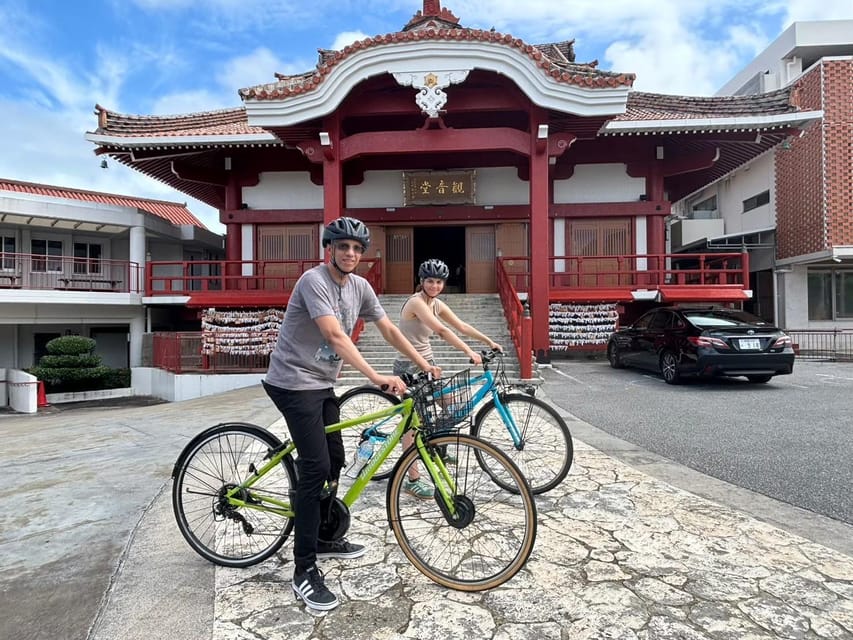
The first major stop is Shuri Kannon Temple, a guardian temple associated with the Ryukyu Kingdom. Its bright red building, carvings, and decorative details give you an immediate sense that Okinawan religious sites do not always look like temples elsewhere in Japan.
The temple also gives you views over Shuri. That makes the first stop do two jobs: you see a place of worship, then gain a sense of the district’s position and shape. Your guide explains the site and the customs connected with it, rather than leaving you to guess at the meaning of the decorations.
The e-bike matters here. Shuri is not flat, and one of the strongest points of the tour is the way electric assistance turns the hills into manageable rises. You still pedal, but you are less likely to arrive at each temple hot and tired.
I would not call this a strenuous cycling event, but it is still active. You need to be comfortable balancing, braking, turning, and riding around traffic. The e-bike reduces effort, not the need for basic cycling skill.
Ankokuji Temple and an old Okinawan setting

Ankokuji Temple is a short visit, listed at about five minutes, but it adds a different mood. You see an old gate, traditional houses, and a large gajumaru tree. The setting feels more local and residential than a major sightseeing stop.
This is the sort of place that benefits from a guide. A visitor moving alone through Shuri could easily see a gate and tree, take a quick photo, and continue. Your guide gives the stop a reason and helps connect the physical details with the area’s past.
The short time here also keeps the tour moving. You will not have a long period for independent exploration at every location. If you prefer lingering over architecture, photographing every carving, or browsing at your own pace, the schedule may feel brisk.
More Bike Tours in the world:
- Half-Day Mekong Delta by Speedboat and Leisure Biking
★ 5.0 · 87 reviews - Mekong Delta Full Day Trip by Speedboat with Leisure Biking
★ 5.0 · 44 reviews - Fiordland Jet Boat and Biking Combo from Te Anau
★ 5.0 · 133 reviews - Zodiac Shrines and Naha Backstreets Cycling Tour
★ 5.0 · 29 reviews
Shureimon Gate, Okinawa’s classic photo
Shureimon Gate is the most instantly recognizable stop on the route. Its red structure is a symbol of Okinawa, and the tour includes time to take a photograph with your bike in front of it.
That bike photo is a small but enjoyable touch. It shows how you are seeing Shuri, not simply being delivered to another attraction. The gate is also a useful counterpoint to the quieter temple stops. Here, you get a famous image; elsewhere, the reward is a less obvious corner.
You should expect a photo stop rather than a long, guided visit at the gate. The tour’s real strength is the combination of recognizable places and smaller religious sites. If you only want Shureimon Gate, you can see it through a simpler visit. The e-bike tour earns its price by adding the rest.
Daruma Temple and local prayers
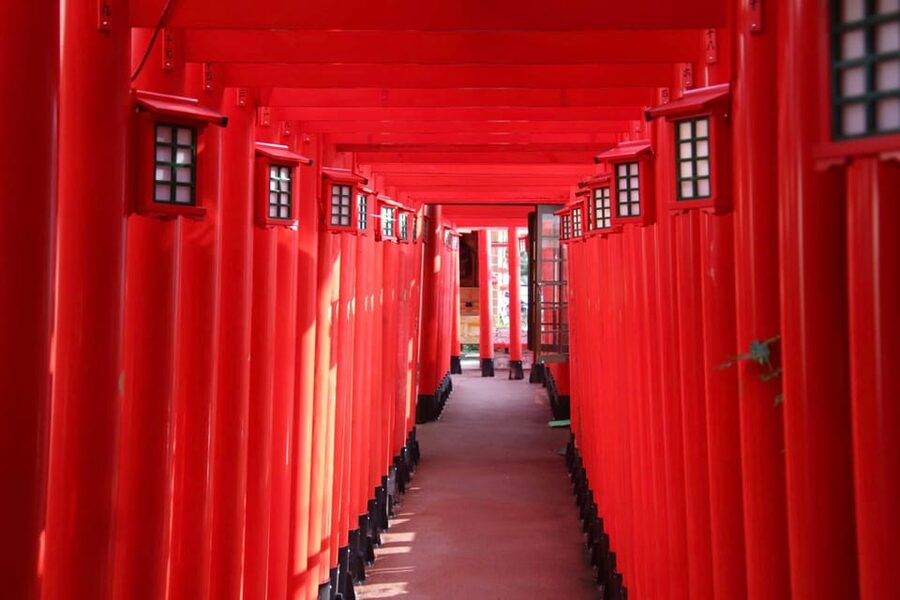
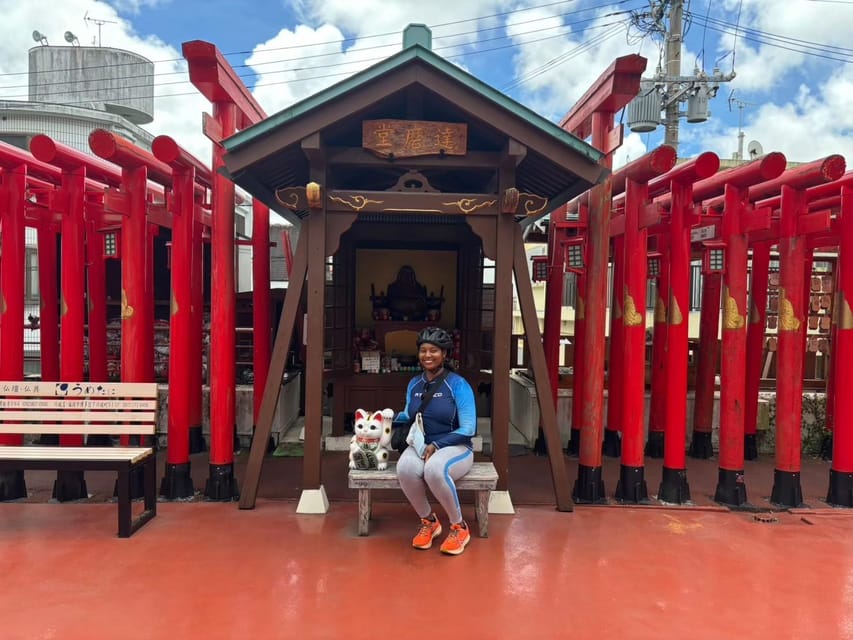
Daruma Temple is associated with prayers for health and pregnancy. The striking red daruma dolls and torii gate make this one of the more visually memorable stops.
Your guide explains the purpose of the temple and the customs connected with it. That context is important because religious sites are not simply scenic backdrops. The dolls, gates, statues, and offerings each carry meaning, and visitors should approach them with care.
Offering money to temples and shrines is not included. You can look, listen, and take part in the visit without making an offering, but bring your own money if you want to do so. Meals and drinks are also not included.
The tour information refers to zodiac temples and shrines, but the experience is not presented as a formal religious ceremony. It is a guided cultural visit. You learn how the sites fit into Okinawan life, then continue by bike.
Seikoji Temple and a quieter pause
Seikoji Temple brings a calmer stretch to the route. You see Jizo statues, a modern building, and a peaceful atmosphere. The visit is listed at around ten minutes, enough for an introduction and a close look without turning the stop into a long break.
The Jizo statues give the guide another chance to explain the local religious mix. Okinawa’s traditions draw from both Buddhist and Shinto practices, along with customs shaped by the former Ryukyu Kingdom. The tour works best when you are curious about those connections.
This is also a practical rest point. The outing includes several riding sections, and short pauses help keep the three-hour schedule comfortable. You should still bring water, sunscreen, and a hat. Okinawa’s sun can make a moderate ride feel harder than expected.
Saki Kasahigawa, a spring with a sense of place
Saki Kasahigawa is described as a miracle spring flowing from deep forest. The stop adds water and greenery to a route otherwise centered on gates, buildings, statues, and streets.
I like this part because it gives the tour a physical connection to the land. You are not only looking at constructed sites. You can pause beside flowing water and consider how natural places became part of local spiritual life.
The wording around the spring is poetic, but the practical experience is straightforward: you visit the spring, hear its story, and continue. Do not expect a long nature walk. This is one stop within a cycling route, not a separate hike.
Sogenji Temple and the return ride
Sogenji Temple was once a royal mausoleum. Its park, gate, and gajumaru tree provide the final major stop before returning to the shop.
The guide can help you read the atmosphere here. The pure air and open park make it feel removed from the city, even though Naha is close by. The former royal connection also brings the route back to the political and religious history of Shuri.
From here, you ride back to the starting shop. The tour begins and ends at the same location, which makes it easy to plan around other time in Naha. The listed itinerary gives several riding sections of roughly 15 to 20 minutes, with visits between them.
The precise order or timing may change. If the chance of precipitation is above 70 percent, or severe weather is expected, the operator may change the plan and contact you the day before.
What the $95 price really covers
The $95 fee includes the electric bicycle, helmet, intercom system, and live guide in English, Chinese, or Japanese. It does not include food, drinks, or temple and shrine offerings.
For a self-guided visitor, the price may seem high at first. You could walk around Shuri or use public transport for less. But the comparison is not quite fair. The tour supplies the bike, chooses a practical route through hilly streets, manages the riding, and explains sites that can be difficult to find alone.
The small group also affects the value. A five-person maximum means the guide can adjust explanations and watch the group more closely. Several guides have also added personal touches, such as taking photos, suggesting nearby sights at the end, or making an extra bakery stop when time allowed. Those additions are not guaranteed, but they show how the outing can become more personal when the group is small.
I would consider the fee fair for an active, guided half-day experience, especially if you have only one day for Shuri. It is less appealing if you already know the district well, dislike cycling, or prefer to set your own pace.
Who should book this ride
This tour fits you best if you:
- Can ride a bicycle confidently
- Want to see Shuri beyond its main landmark
- Like hearing local stories and explanations
- Are comfortable cycling in city streets
- Appreciate a small group
- Want electric assistance on hills
- Have comfortable shoes and clothing suitable for riding
It is not suitable for anyone who cannot ride a bike. Sandals and flip flops are not allowed, and smoking is not allowed during the tour.
Families and mixed-ability groups may find the e-bikes helpful, but every participant still needs basic bike control. One past guide team accommodated different skill levels, yet that should not be taken to mean the tour can accept non-riders.
Practical advice before you go
Wear closed, comfortable shoes. Bring water, sunscreen, and a hat, particularly in warm weather. The route includes stops, but you should still arrive ready to pedal for three hours.
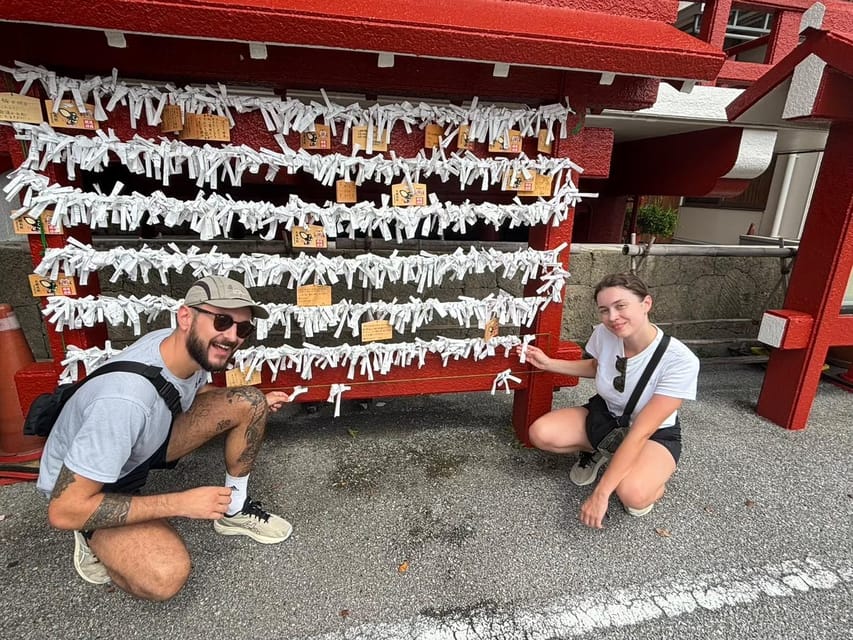
If you want goshuin, the temple stamps collected at Japanese religious sites, bring what you need and ask the guide about the proper procedure. One participant used the tour to collect stamps from the temples visited, but availability and procedures can vary by site.
You may also want to reserve early if you need a particular language or date. The tour runs in English, Chinese, and Japanese, but guide assignments are not specified in advance here.
Free cancellation is available up to 24 hours before the start, and you can reserve while paying later. Those terms help if your Naha plans are still shifting, but weather remains the main uncertainty.
Should you book the Naha zodiac temple e-bike tour?
Book it if you want a friendly, active way to understand Shuri rather than simply photograph its famous gate. The strongest reasons are the excellent electric bikes, the helmet communication system, the small group, and the route through temples and side streets that are easy to overlook.
Skip it if you cannot ride, want a completely relaxed sightseeing day, or prefer long independent visits at each temple. For confident cyclists, though, this is a well-priced way to connect Shureimon Gate, royal-era sites, local prayer spots, and quieter corners of Naha in one compact outing.
FAQ
Where does the tour start?
It starts at the bike shop in Daisho Building, a five-minute walk from Monorail Makishi Station and next to the post office.
How long does the tour last?
The tour lasts three hours.
What is included in the price?
The price includes an electric bicycle rental, a helmet, an intercom system, and a live guided tour.
Are meals and drinks included?
No. Meals and drinks are not included, so bring water with you.
Which languages are available?
Guided tours are available in English, Chinese, and Japanese.
How many people can join the tour?
The group is limited to five participants.
Do I need to know how to ride a bicycle?
Yes. People who cannot ride a bike are not suitable for this tour.
Can I wear sandals?
No. Sandals and flip flops are not allowed. Wear comfortable shoes suitable for cycling.
What should I bring?
Bring comfortable shoes, water, sunscreen, and a hat. Wear clothing suitable for cycling.
What happens in bad weather?
If the precipitation probability is above 70 percent or severe weather is expected, the plans may change. The operator will contact you the day before in that situation.
Just added around the world
- Luxury Speedboat Cruise to Shipwreck and Blue Caves★ 5.0 · 23 reviews
- Islands Tour in Zadar by Speedboat★ 5.0 · 86 reviews
- Zakynthos Speedboat Rentals with or without skipper★ 4.5 · 24 reviews
- Private Half Day Speedboat tour to Kornati National Park★ 5.0 · 2 reviews
- Guided Speedboat Tour with Food, Oil & Wine Tasting★ 5.0 · 31 reviews
- Zadar: Sakarun – Dugi otok Luxury Speedboat Tour with Lunch★ 4.0 · 12 reviews
- Private speedboat tour : Sakarun beach, Dugi otok, Golubinka Cave★ 5.0 · 17 reviews
- Blue Lagoon Snorkeling on Speedboat & Island Hopping Tour★ 5.0 · 2 reviews
RIB and Zodiac Boat Tours, compared.

Tadoussac/Charlevoix: Whale Watching Zodiac Tour
Read our review →



From Svolvær: Lofoten RIB Sea Eagle Safari Trollfjord Cruise
Read our review →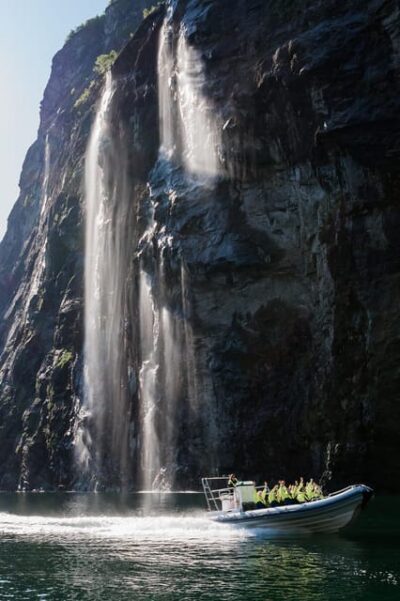

Granite Falls Zodiac Tour by Vancouver Water Adventures
Read our review →
From Svolvær: RIB Boat Lofoten Trollfjord Sea Eagle Safari
Read our review →Browse the lists this tour appears in