REVIEW · CANADA
Tadoussac/Charlevoix: Whale Watching Zodiac Tour
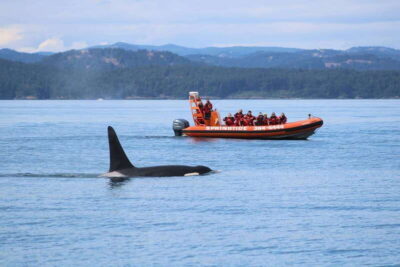
The big draw here is simple: you sit low on the water in a fast Zodiac, scanning the St. Lawrence for whales instead of watching from behind a high railing. The Saguenay and St. Lawrence meet in a feeding area famous for belugas, minke whales, humpbacks, and fin whales. I especially like the close-to-the-water view and the chance to reach the Saguenay Fjord if time and weather cooperate.
I also like the bilingual naturalist guides, who point out where to look and explain whale behavior in English and French. Guides such as Catherine and Fredrick have earned particular praise for clear, lively commentary. The catch is that a Zodiac is open, exposed, and often cold. Rain gear helps, but you should still expect wind, spray, and wet seats.
Key points to know before boarding
- Up to 13 whale species: Sightings may include belugas, humpbacks, fin whales, minke whales, and porpoises, but no wildlife tour can promise a particular animal.
- Two departure areas: You can leave from Tadoussac or Baie-Sainte-Catherine. The Baie-Sainte-Catherine option makes the most sense if you are coming from Quebec City or Charlevoix.
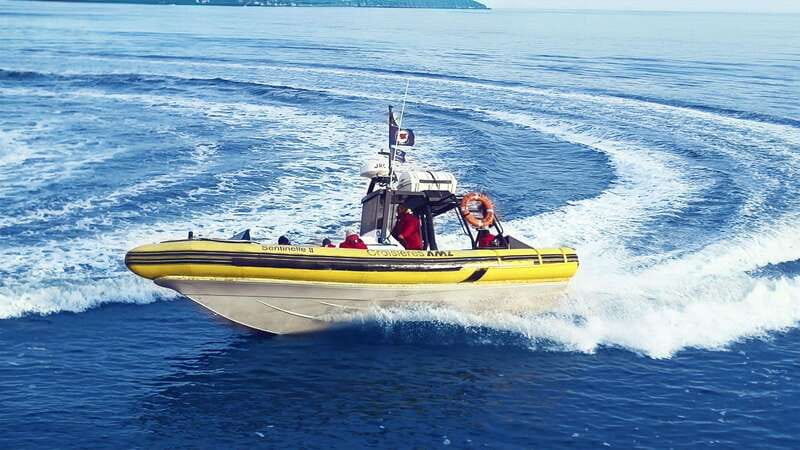
- A 24 or 60-passenger Zodiac: Both boats are designed for marine mammal viewing, with a low position and open sightlines.
- The fjord is a bonus, not a guarantee: Steep cliffs and rare scenery come into the plan only if time and conditions allow.
- Dress for a colder trip than you expect: Wear long pants, a long-sleeved layer, closed shoes, gloves, and a warm hat.
- This is an active boat ride: Children must be at least six, and the trip is not suitable for pregnant people, wheelchair users, or anyone with significant back, joint, or mobility problems.
Why this stretch of the St. Lawrence is special
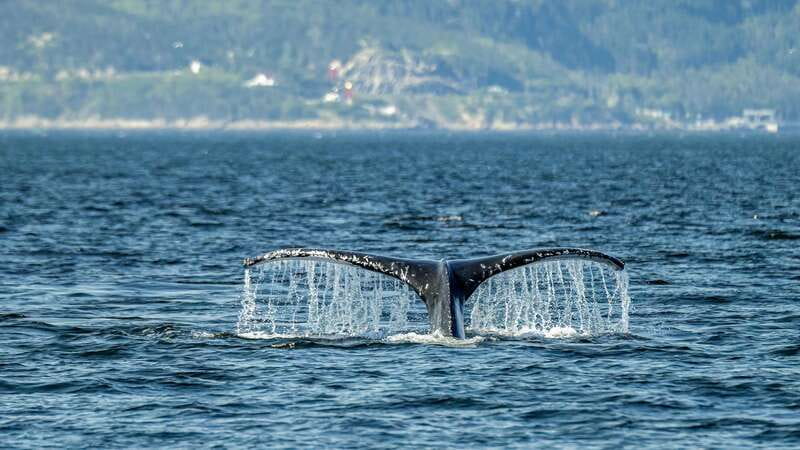
Tadoussac sits near the meeting point of the Saguenay River and the St. Lawrence River. That mix of saltwater and freshwater helps create feeding conditions that attract a striking range of marine life. The protected Saguenay-St. Lawrence Marine Park is the setting for the trip, not just a name on the ticket.
You are not visiting a marine park with tanks or staged animal encounters. You are going out to search open water. That means the experience can change from one departure to the next. One outing may bring several belugas and a fin whale. Another may offer distant blows, seals, or porpoises rather than dramatic breaches.
The main whale watching season runs from May through October. Sightings reported on these trips have included humpback, minke, fin, and beluga whales, along with gray and harbor seals and porpoises. Blue whales have also been seen, though a blue whale should be treated as a lucky possibility, not an expected result.
That uncertainty is part of the bargain. You are watching animals in their own environment, and the crew follows their movements without forcing an encounter. If a whale surfaces near the Zodiac, the moment feels earned because nobody placed it there for you.
More Dolphin and Whale Watching Trips in Canada
- Victoria Zodiac Boat Whale Watching Adventure
★ 5.0 · 916 reviews - Victoria: 3-Hour Zodiac Whale-Watching Tour
★ 4.6 · 651 reviews - Summer Whale Watching Tour in a Zodiac Boat in Victoria
★ 4.5 · 342 reviews
Choosing Tadoussac or Baie-Sainte-Catherine
The tour has two possible starting points: 122 Rue de la Cale Sèche in Tadoussac and 159 Route 138 in Baie-Sainte-Catherine. Your meeting point depends on the option you book, so check it carefully before setting out.
If you are staying in Tadoussac, the local departure is the natural choice. If you are coming from Quebec City or Charlevoix, Baie-Sainte-Catherine is recommended. The experience is described as the same from both places, with the boat picking up passengers at the two locations.
Arrive early. Boarding begins about 30 minutes before departure, and the boat leaves on time. Parking is not included, and directions around Baie-Sainte-Catherine can require extra attention, so do not cut it close.
The early departure runs from 8 to 10 am. Daytime choices run from 10:15 am to 12:45 pm or 1:30 to 4 pm. A later trip runs from 4:30 to 6:30 pm. The precise option may last two hours or two and a half hours, so check the selected departure rather than assuming every trip has the same length.
What the Zodiac ride feels like
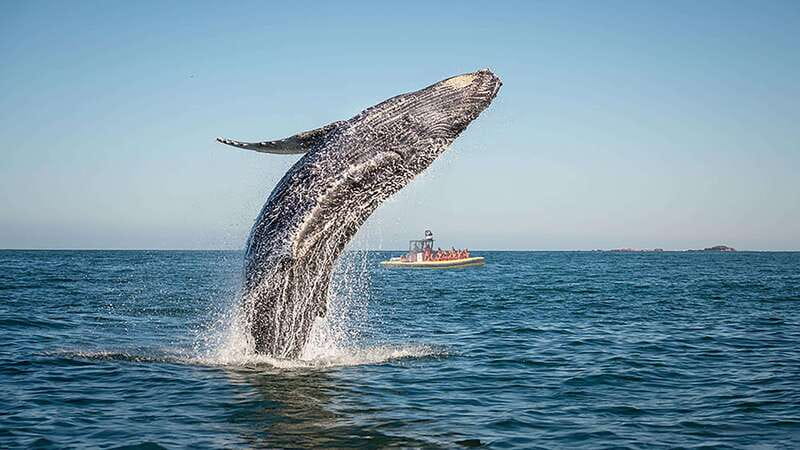
The operator uses either a 24-passenger or 60-passenger Zodiac. Both are built for marine mammal viewing, with passengers close to the water and able to stand for better sightlines when the crew permits it. That low position gives you an intimate view, but it also exposes you to wind and spray.
The smaller boat can feel more personal, while the larger Zodiac gives the operator more capacity on busy days. The supplied information does not promise a specific boat size, so book based on the overall format rather than expecting to choose a particular vessel.
You receive a waterproof jacket and pants. These are useful protection, not a substitute for warm clothing. Several outings were described as cold, and rain can still reach your sleeves, lap, or seat. Bring layers, gloves, and a hat with a brim. One useful practical trick is to bring a small towel for a wet plastic seat or your lap, though food and drinks are not allowed on board.
Wear closed shoes, long pants, and a long-sleeved sweater. Sandals are not permitted. Sunscreen and sunglasses are also sensible because glare off the water can be strong even on a cool day.
Credit cards are accepted on board, but cash is not. Binoculars, food, drinks, parking, and hotel transportation are not included. If binoculars matter to you, bring your own.
Following the route from Tadoussac to the whale grounds
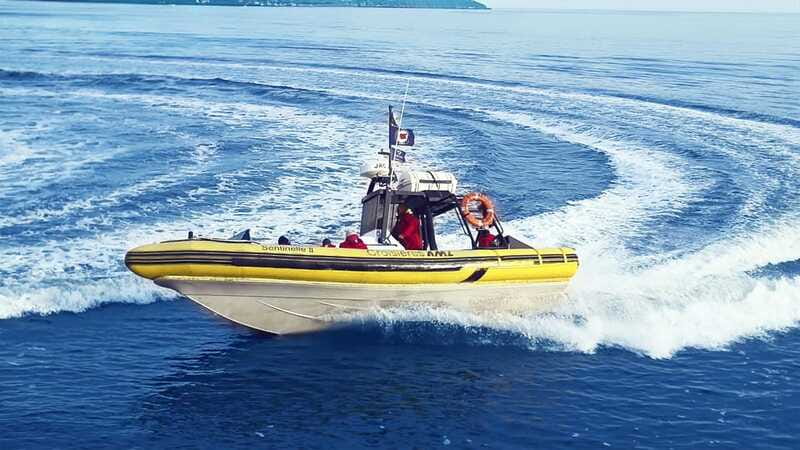
The itinerary is not a hop-on, hop-off tour with long stops. Most places are passed from the boat, and the crew adjusts the route to look for wildlife. Think of it as a moving search rather than a fixed sightseeing circuit.
You first pass Tadoussac and enter the waters of the Saguenay-St. Lawrence Marine Park. The focus shifts quickly from shoreline views to the water ahead. Guides help you scan for blows, backs, fins, and flukes, and they explain how to tell species apart.
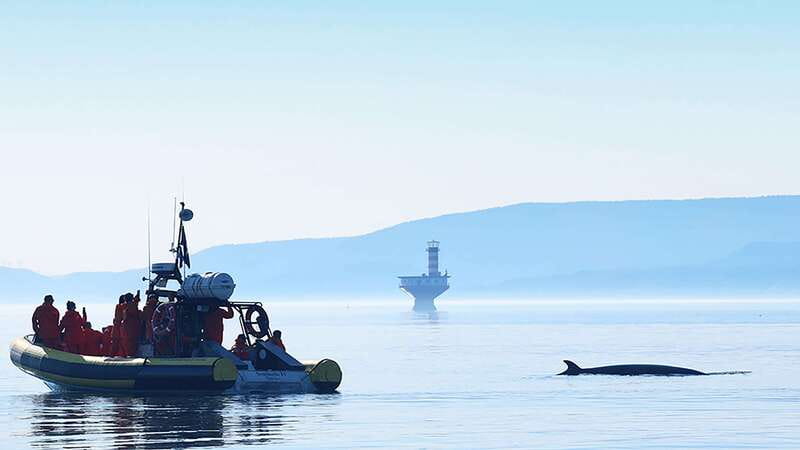
Prince Shoal Light is listed as a photo stop. It gives you a recognizable feature to photograph and helps place you within the broad mouth of the St. Lawrence. The real value is the pause in the search, when you can take in the scale of the water and shore.
The route may pass Les Dunes, Pointe-Noire Interpretation and Observation Centre, and Pointe de l’Islet. These places contribute to the sense of the surrounding coast, though you do not get a separate land visit at each one. If you want to explore Pointe-Noire on foot, allow extra time outside the boat trip. One outing even led to advice to hike there, with beluga sightings possible from shore.
Chute du Caribou is another point passed along the route. The listed itinerary does not promise a stop or a walk, so keep your camera ready and listen for the guide’s explanation rather than expecting a shore excursion.
Wildlife can alter the order and pace. The captain may slow down, change position, or wait after a blow appears. That is good for your view, but it also means the boat does not behave like a sightseeing bus following a strict timetable.
More RIB Boat Tours in Canada
- Granite Falls Zodiac Tour by Vancouver Water Adventures
★ 5.0 · 783 reviews - Vancouver Island Zodiac Whale Watching Adventure – Telegraph Cove
★ 5.0 · 281 reviews - From Victoria: Whale Watching Tour by Zodiac Boat
★ 4.8 · 233 reviews - Vancouver: Indian Arm and Granite Falls Zodiac Boat Tour
★ 4.9 · 150 reviews
The possible Saguenay Fjord excursion
The fjord is one of the most beautiful parts of the outing, but it needs a clear qualification: the detour happens only when time and weather allow. It should be treated as an added pleasure, not the central promise of the whale trip.
The Saguenay Fjord has steep cliffs rising as high as 450 meters. From a low Zodiac, the walls can feel especially dramatic. The narrow waterway also offers a change of pace after the open river, with a chance to look for wildlife in a different setting.
Several successful outings included a fjord passage, and guides have used that time to point out the cliffs and additional animals. Minke whales have been seen in the fjord. Still, a rough day or a busy whale search may leave too little time for the detour.
This is one reason I would not book the trip solely for fjord scenery. If you want the best chance of seeing the fjord, choose a departure with enough daylight and keep your expectations flexible. The captain makes the final call for safety and timing.
The guide makes the difference
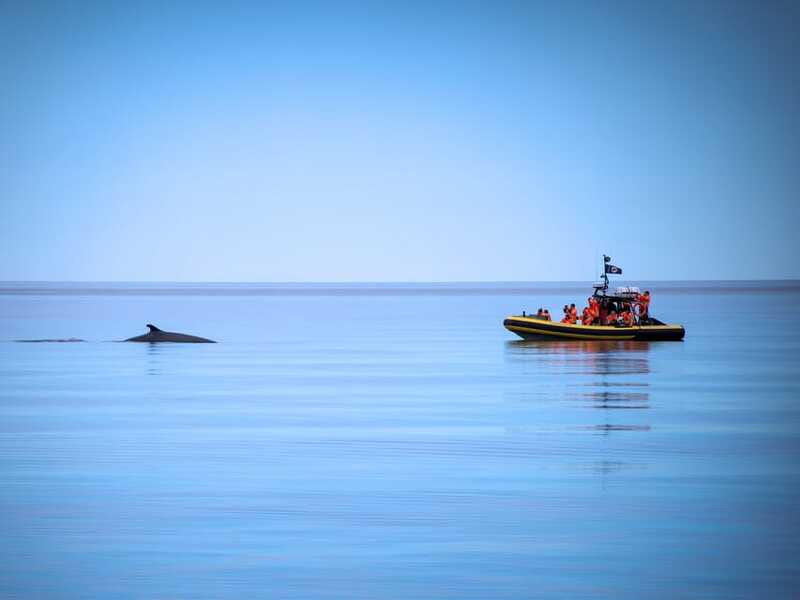
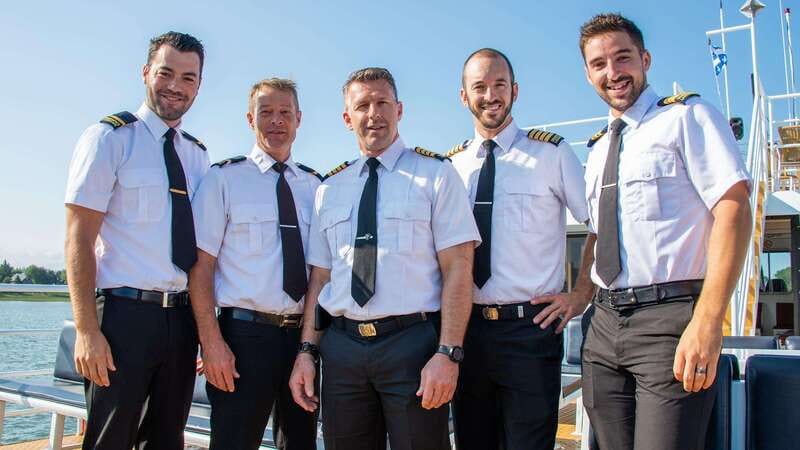
The tour includes a certified naturalist guide who speaks English and French. The commentary covers whale identification, behavior, marine life, and the park environment. The strongest part of the guiding is practical: the guide tells you where to look before an animal surfaces.
That help matters. A whale’s blow may last only a moment, and the dark back can vanish into the water before you have found it. A guide who spots the animal first can direct the whole group toward the right side of the boat.
Guides named in the feedback include Catherine and Fredrick, both praised for making explanations clear in English and French. One guide also spoke a third language, which helped a mixed-language group feel included. The exact guide varies by departure, but bilingual service is part of the planned experience.
Expect a balance of education and searching. The guide cannot control how close an animal comes or guarantee a breach. The best commentary helps you understand ordinary behavior, such as a whale feeding, resting, surfacing, or traveling, rather than treating only spectacular jumps as worthwhile.
What you might see, and what you might not
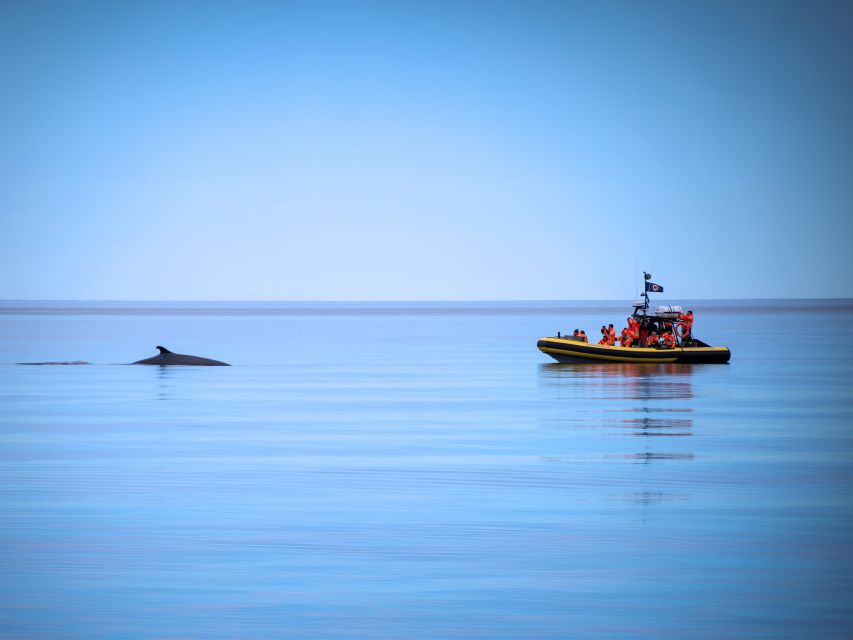
The tour promotes the chance to see up to 13 whale species. That is a useful measure of the area’s variety, not a promise that you will see 13 species in two hours. Your actual list may be much shorter.
Belugas are a special possibility. Their white bodies can be hard to pick out against bright water, but seeing adults and calves is a memorable sight. The belugas are protected, and the crew’s non-intrusive approach matters. The boat is intended to observe natural behavior without chasing or crowding the animals.
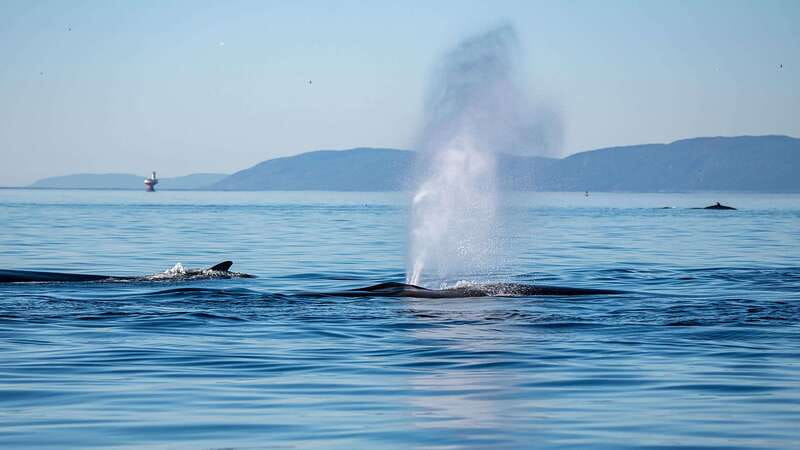
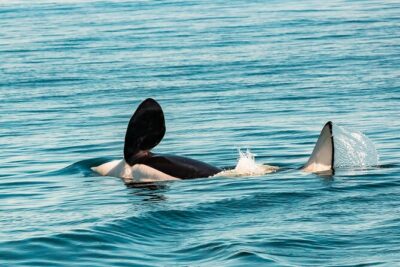
Humpbacks may offer a broad back, a tail, or a long rest at the surface. Fin whales and minke whales can appear as they travel or feed. Porpoises may move in groups, while gray and harbor seals sometimes surface nearby.
Do not measure the trip only by breaching. Several excellent outings produced whales resting, traveling, or surfacing without a dramatic jump. One especially fortunate trip included a blue whale, but that is a rare bonus. A quieter sighting can still be valuable when you understand what you are seeing.
The captain and guide may reposition the boat to improve your view, but they must respect distance and animal behavior. That can mean waiting, turning off the engine when possible, and moving slowly. You may not get the closest possible photograph, but you get a more responsible encounter.
Is $98 a fair price?
At $98 per person, the price is reasonable if you value a small, active wildlife outing rather than a basic boat ride. You are paying for two to two and a half hours on the water, a purpose-built Zodiac, certified crew, bilingual interpretation, protective outerwear, and the chance to enter the fjord when conditions permit.
The value depends heavily on what you want from whale watching. If your priority is comfort, indoor space, and protection from rain, a larger covered boat may suit you better. If you want a low position, open views, and a stronger sense of being on the water, the Zodiac earns its price.
You should also budget for parking and your own food before boarding, since neither is included. Hotel pickup and drop-off are not provided. The flexible booking terms help if your schedule is uncertain: you can cancel up to 24 hours ahead for a full refund and reserve now while paying later.
Who should book this Zodiac trip?
I would choose this trip for adults, older children, and anyone who enjoys wildlife, photography, and a bit of physical exposure to the elements. It works especially well as a highlight of a Tadoussac or Charlevoix visit.
Children must be at least six years old. The boat is not suitable for pregnant people, wheelchair users, or people with back, joint, or autonomy problems. The ride can be bumpy, cold, and wet, so comfort and mobility matter.
If you are deciding between a Zodiac and a larger boat, consider your priorities. The Zodiac gives better intimacy and water-level views, but it offers less shelter. A large boat may be the wiser choice in poor weather, especially for anyone who dislikes cold or motion.
My verdict: book it if you accept the wild-card element
I recommend booking this Zodiac tour if you understand that whale watching is a search, not a scheduled performance. The combination of skilled guides, close water-level viewing, responsible wildlife practices, and possible fjord scenery gives you a strong experience for the price.
Choose the Baie-Sainte-Catherine departure if you are coming from Quebec City or Charlevoix. Arrive 30 minutes early, dress more warmly than you think necessary, and bring binoculars, sunglasses, sunscreen, gloves, and a towel. If you can accept a cold ride and a day without a dramatic breach, you are likely to find the trip worthwhile.
FAQ
How long is the whale watching Zodiac tour?
The excursion lasts either two hours or two and a half hours, depending on the option selected. Check the departure details when booking.
Where does the tour leave from?
The possible starting points are 122 Rue de la Cale Sèche in Tadoussac and 159 Route 138 in Baie-Sainte-Catherine. The meeting point depends on the option booked.
Which departure should I choose from Quebec City or Charlevoix?
Baie-Sainte-Catherine is the recommended departure point for people coming from Quebec City or Charlevoix. The experience is described as identical from both departure areas.
What whales might I see?
The area can have up to 13 whale species. Possible sightings include humpback, minke, fin, beluga, and blue whales, along with porpoises and seals. Specific sightings cannot be guaranteed.
Is the Saguenay Fjord included?
A fjord excursion is included if time and weather conditions allow. The detour is not guaranteed on every departure.
Is the tour offered in English?
Yes. Certified naturalist guides provide live commentary in English and French.
What should I wear?
Wear warm layers, long pants, a long-sleeved sweater, gloves, and closed shoes. Waterproof jackets and pants are provided. Sandals and other open-toed shoes are not allowed.
Can children join the Zodiac tour?
Children must be at least six years old. The excursion is not suitable for children under six.
Can I cancel the booking?
You can cancel up to 24 hours in advance for a full refund. Reserve now and pay later is also available.
Just added around Canada
- Zodiac Boat Whale and Wildlife 7-8-Hour Tour from Campbell River★ 5.0 · 28 reviews
- Sunset Zodiac Tour★ 5.0 · 7 reviews
- Zodiac Boat Whale and Wildlife 6-Hour Tour from Campbell River★ 5.0 · 44 reviews
- Sea Prince Rupert City and Harbour Shared Zodiac Tour★ 5.0 · 3 reviews
- 3 Hour Ocean Safari by Zodiac Boat -Whales & Icebergs seasonally★ 4.5 · 3 reviews
- Lunenburg: Zodiac Wildlife Tour with Naturalist Guide★ 5.0 · 5 reviews
- Kelowna: StarCraft C1700 Speed Boat Rental★ 4.4 · 4 reviews
- Georgian Bay: Midland Speedboat Tour★ 4.5 · 2 reviews
Canada Speedboat Tours, compared.
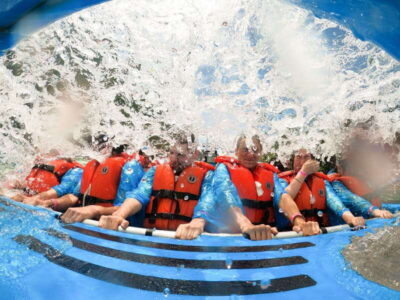
Niagara Falls, ON: Jet Boat Tour on Niagara River
Read our review →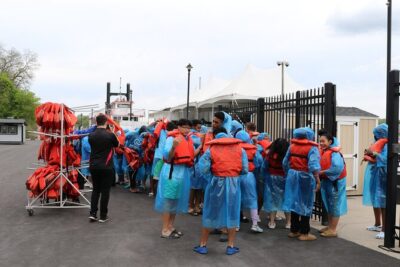
Niagara Falls Canada Open-Top (Wet) Jet Boat Tour
Read our review →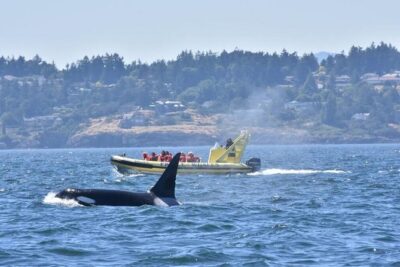
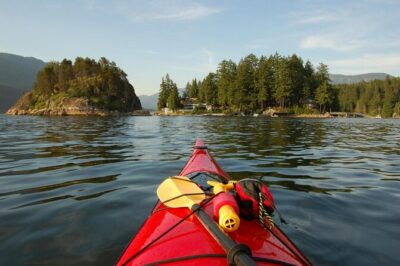
Granite Falls Zodiac Tour by Vancouver Water Adventures
Read our review →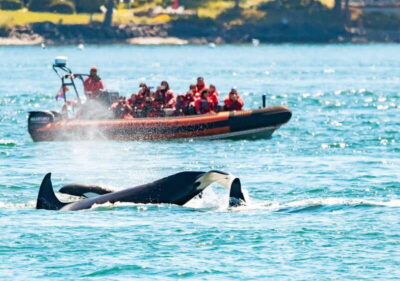
Summer Whale Watching Tour in a Zodiac Boat in Victoria
Read our review →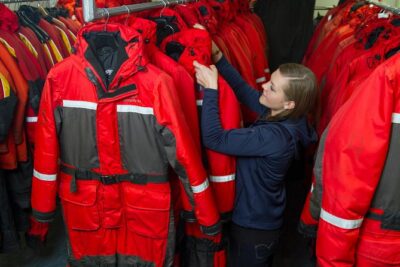
Vancouver Island Zodiac Whale Watching Adventure – Telegraph Cove
Read our review →