
REVIEW · HO CHI MINH CITY
Explore Cu Chi Tunnels by Speed Boat
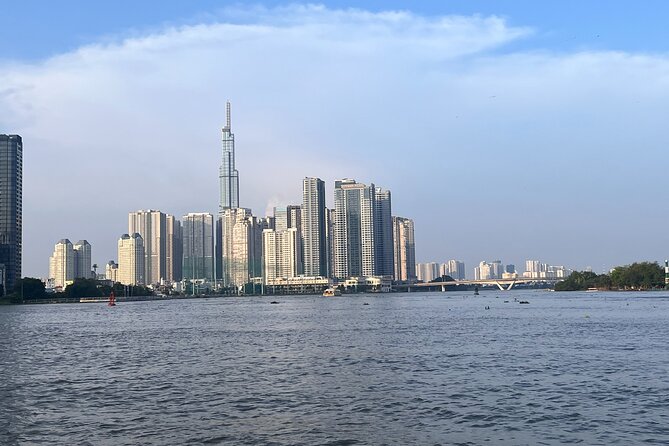
Cu Chi Tunnels by speedboat turns a standard history outing into a river journey through southern Vietnam. You leave Bach Dang Quay at 8 a.m., pass the soaring Landmark 81, and trade city traffic for quieter river views before reaching the underground wartime network.
I like two things here: the boat saves road time and adds scenery, and the small group, capped at 15 people, should give you a better chance to hear the guide. Guides such as Lien, Eric, Kate, Tiny, and Loi have been praised for clear explanations, good humor, and practical help.
The main drawback is the price. At $200 per person, this is far dearer than a typical bus trip to Cu Chi, and lunch is not included. You are paying for the speedboat, time, and setting, not just tunnel admission.
Key points to know before you book
- Landmark 81 from the river: The cruise passes Vietnam’s tallest building, giving you a fine early photo stop without adding a separate city visit.
- A quieter route to Cu Chi: The speedboat replaces much of the usual road journey with a scenic trip along the Saigon River.
- Hands-on wartime history: You see tunnel sections, traps, weapons, and examples of how soldiers lived and worked underground.
- A village craft stop: The tour includes a nearby village where you can watch rice paper being made and try the process yourself.
- Small-group format: The group limit is 15 people, useful for questions and guide commentary.
- Bring lunch money: Bottled water and snacks are included, but lunch is not.
Why the speedboat changes the Cu Chi trip
Cu Chi Tunnels can be visited by road, but the road option often makes the journey feel like a transfer between two points. This version gives the trip a clear first act: you watch Ho Chi Minh City recede from the Saigon River and see parts of local life along the banks.
The speedboat transfer runs from Saigon to Cu Chi and back. That matters most if you dislike spending a large part of a day in a coach. You still need roughly six to seven hours for the full activity, but the travel itself becomes part of the experience rather than dead time.
Do not expect a luxury cruise with a long list of onboard services. The included items are simple: bottled water, snacks, and an English-speaking guide. The appeal is the route and the smaller setting, not a full meal or elaborate boat facilities.
At $200, the cost deserves a clear-eyed look. If you only want to stand inside a tunnel and see the main displays, a regular road tour should cost less. If you value the river ride, limited group size, return transport, admission, and a guide who can explain the difficult parts of the site, the higher price may feel reasonable.
A few more speedboat trips around Ho Chi Minh City worth a look
- Premium Cu Chi Tunnels Tour with Local Expert by SpeedBoat
★ 5.0 · 2,045 reviews - From Ho Chi Minh: Cu Chi Tunnels and VIP Speedboat Tour
★ 4.8 · 865 reviews - Morning CuChi Tunnels-Tapioca-Secret Traps Luxury Speedboat 2Ways
★ 5.0 · 688 reviews
8 a.m. at Bach Dang Quay
The stated meeting point is Bach Dang Quay, at 10B Duong Ton Duc Thang in District 1. The tour starts at 8 a.m. and ends back at the same meeting point.
Pickup is listed as available, but the published start point remains Bach Dang Quay. I would confirm the exact pickup arrangement before the morning of the tour, especially if your hotel is outside central District 1. A mobile ticket is provided, and booking confirmation is issued at the time of booking.
Arrive with enough time to find the quay and settle in. The tour is weather-dependent, so the boat may be rescheduled or refunded if conditions make the trip unsafe. The same applies if the minimum number of participants is not reached.
The boat carries no more than 15 people. That is a useful limit. On a tunnel tour, the guide’s explanation is a major part of the value, and a compact group makes it easier to stay close, ask questions, and hear the historical commentary.
Landmark 81 and the first river views
One of the first memorable sights is Landmark 81, Vietnam’s tallest building. From the water, the tower gives you a useful sense of scale and a strong photo opportunity as the boat passes.
After that, the city begins to thin out. You cruise along the Saigon River and see riverbank scenery and glimpses of local life. The experience information does not promise a set commentary program during every minute of the cruise, so think of this section as a scenic transfer with guide narration rather than a formal sightseeing cruise.
I like this part because it gives you a better sense of Ho Chi Minh City beyond its streets. The river is not just a backdrop. It has long served as a route for trade, movement, and daily work, and viewing the city from the water changes your understanding of its geography.
The boat ride also creates a more gradual transition into the Cu Chi visit. Instead of leaving the city and suddenly arriving at a historical site, you move through changing scenery and have time to hear the guide set the context.
Entering the Cu Chi Tunnels
At Cu Chi, the focus shifts from scenery to wartime engineering and survival. Your guide explains how the tunnel network was used by Viet Cong forces during the Vietnam War, then points out examples of traps, weapons, and underground living conditions.
This is the part where a good guide matters most. A tunnel can look like a dark, narrow passage if you only walk through it quickly. The explanation gives meaning to the low ceilings, hidden entrances, small rooms, and defensive devices.
The visit includes a chance to see how people lived and operated below ground. You learn about the practical side of the system, including movement, concealment, and the use of traps. The experience is not simply a memorial walk. It is also a lesson in construction, logistics, and the demands of surviving under combat conditions.
Several guide accounts associated with this operator praise people such as Eric, Lien, Kate, Tiny, Zedd, Betty, Lam, and Loi for making the subject easier to understand. Their styles differ, but the useful qualities are consistent: clear explanations, patience, humor, and the ability to answer questions without turning the tour into a lecture.
Guide assignments can change, so I would not book solely because you hope for one particular person. Still, the repeated emphasis on guide quality suggests that the human side of this trip is important. The tunnels can be physically and emotionally demanding to interpret, and a calm guide helps.
Same coast, a different run:
- Ho Chi Minh City: Mekong Delta Full-Day Speedboat Tour
★ 4.8 · 339 reviews - Authentic Mekong Delta Tour With Local Experts By SpeedBoat
★ 5.0 · 271 reviews - Full-Day Tour in the Cu Chi Tunnels with a Luxury Speed Boat
★ 5.0 · 164 reviews - VIP Tour in Dragon Floating Temple sightseeing by SpeedBoat
★ 5.0 · 124 reviews
The physical side of going underground
The tour allows you to get a firsthand look at the tunnel environment, but the information provided does not state how far you must walk underground or how long you remain below ground. Conditions can feel tight, and one guide account describes traveling only a short distance in the tunnel as an impressive experience.
That detail is worth keeping in mind. You do not need to treat the underground section as a test of endurance. The value comes from understanding what the space meant, not from covering a long distance. Take the opportunity at a pace that feels comfortable.
The tour information says most people can participate. It does not provide a separate accessibility assessment for the tunnels, so anyone with mobility concerns should ask the operator for current details before booking.
The traps and weapons also require some emotional readiness. They are part of the site’s military story, and the guide explains how they worked. This is not a lighthearted attraction, even though some guides use humor to keep the group at ease.
Rice paper and a nearby village
The tour includes a visit to a nearby village where you can see how rice paper is made and try your hand at the process. This is a welcome change of pace after the tunnels.
The craft stop adds a present-day connection to the excursion. You are not only looking backward at wartime events. You also see a local skill in practice and get a small, direct sense of how food-related craft work is carried out.
Do not expect a long village stay based on the available details. It is one part of a tightly timed six to seven-hour outing, and the main focus remains Cu Chi. Still, this stop helps break up the history portion and gives you something practical to do.
It also gives families and mixed-interest groups a more varied day. Someone who finds military history heavy may enjoy the making demonstration, while children can respond to the hands-on element more readily than to a long historical talk.
What is included, and what you still need
The tour price includes the speedboat transfers from Saigon to Cu Chi and back, admission fees, bottled water, snacks, and an English-speaking guide. Those inclusions make the package straightforward once you are on board.
Lunch is not included. Since the day starts at 8 a.m. and can last until the mid-afternoon, plan for this rather than assuming the snacks will replace a meal. The supplied details do not name a lunch stop, so eat beforehand or ask the operator what food options are available during the day.
The mobile ticket is convenient, and the tour ends at the original meeting point. Public transportation is nearby, though the most important arrival detail is the exact quay address.
The free-cancellation rule is generous if your plans change early. You can cancel for a full refund up to 24 hours before the start time. Cancellations or changes inside that window are not accepted for a refund. Since weather can affect the boat, check your messages before leaving for Bach Dang Quay.
Is $200 fair for this experience?
The answer depends on what you are comparing.
For a budget-minded visitor, $200 is a serious outlay. A bus excursion may cover the same historical site for much less. If you are mainly interested in the tunnels and do not care how you get there, this tour is unlikely to be the best deal.
For someone with limited time in Ho Chi Minh City, the price buys a polished half-day plan with return transport, admission, a guide, and a more enjoyable route. You avoid the need to arrange separate transport to Cu Chi, and you replace part of the road journey with the river.
The group cap also matters. A maximum of 15 people is smaller than many standard coach excursions. You are more likely to hear explanations and get a chance to speak with the guide. That benefit is hard to measure, but it can shape how much you take away from the tunnel visit.
I would book this for a couple, family, or small group that values comfort and scenery over the lowest possible price. I would skip it if your budget is tight, if you want a long lunch, or if you prefer to spend a full day on one historical site without a fixed schedule.
Which guide style may suit you
The guide examples connected with this experience cover several strengths. Lien is described as easy to understand and good at placing historical sites in context. Eric is noted for organization, friendliness, and availability. Kate is associated with passion, humor, and detailed explanations.
Tiny is described as reassuring during the tunnel visit, which may matter if you feel nervous about going underground. Loi is praised for historical detail and an easygoing manner. Betty is remembered for high energy and plenty of information, while Lam is noted for broad knowledge and practical help.
These names do not guarantee who will lead your tour. They do show what you should expect from the guide’s role: history, site management, encouragement, and answers to everyday questions. If a particular guide is important to you, ask the operator before booking rather than assuming availability.
Who should book this speedboat tour?
You are a good match if you want Cu Chi with a more interesting arrival and departure. The boat route suits you if you enjoy looking at a city from the water, taking photos, and seeing riverbank life between major sights.
It also works well for first-time visitors who want an English explanation of the tunnels rather than a self-guided walk. The small group and included admission simplify the day.
Families may like the mix of boat travel, history, traps, underground spaces, and rice-paper making. Keep in mind that the subject is wartime and the tunnel environment may not suit everyone.
You may want another option if you need a low-cost trip, a guaranteed lunch, extensive time at the site, or very clear accessibility arrangements. The information confirms that most people can participate, but it does not spell out every physical detail of the underground visit.
Should you book it?
Book this if the river journey is part of the reason you want to visit Cu Chi. You get more than a site transfer: Landmark 81 views, changing river scenery, a small group, an English-speaking guide, the tunnel network, wartime demonstrations, and a rice-paper village visit.
At $200, it is a premium outing. I would not choose it simply because it is the fastest way to see the tunnels, since the total activity still takes six to seven hours and lunch is extra. I would choose it because the speedboat makes the journey feel like part of the day and because strong guiding can turn a difficult historical site into a clear, thoughtful experience.
FAQ
Where does the Cu Chi speedboat tour start?
The tour starts at Bach Dang Quay, 10B Duong Ton Duc Thang, District 1, Ho Chi Minh City, at 8 a.m.
Where does the tour end?
The activity ends back at the original meeting point at Bach Dang Quay.
How long does the experience take?
The tour lasts approximately six to seven hours.
Is lunch included?
No. Bottled water and snacks are included, but lunch is not.
What does the tour price include?
The $200 price includes speedboat transfers from Saigon to Cu Chi and back, bottled water, snacks, an English-speaking guide, and admission fees.
Can I cancel for a full refund?
Yes, if you cancel at least 24 hours before the experience start time. Cancellations or changes made less than 24 hours in advance are not accepted for a refund. If poor weather or insufficient numbers cancel the tour, you can choose another date or experience, or receive a full refund.
Just added around Ho Chi Minh City
- Can Gio Mangrove Adventure: Speedboat with Monkey Island★ 5.0 · 60 reviews
- Sunset City-Dragon Floating Temple on River with LUXURY SPEEDBOAT★ 5.0 · 8 reviews
- VIP Tour in Saigon: New Year’s Eve Fireworks 2027 by SpeedBoat★ 5.0 · 27 reviews
- Private Half Day Cu Chi Tunnels Tour by AC Car or Speedboat★ 4.5 · 18 reviews
- Mekong Delta tour 3 days by speedboat★ 5.0 · 2 reviews
- Private Cu Chi Tunnels tour by Luxury Speedboat★ 5.0 · 36 reviews
- Luxury Speedboat 2 Ways from Ho Chi Minh city to Cu Chi Tunnels★ 5.0 · 83 reviews
- VIP Tour in Saigon: Romantic Sunset Cocktail by SpeedBoat★ 5.0 · 53 reviews
Ho Chi Minh City Speedboat Tours, compared.

Premium Cu Chi Tunnels Tour with Local Expert by SpeedBoat
Read our review →
From Ho Chi Minh: Cu Chi Tunnels and VIP Speedboat Tour
Read our review →
Morning CuChi Tunnels-Tapioca-Secret Traps Luxury Speedboat 2Ways
Read our review →
Ho Chi Minh City: Mekong Delta Full-Day Speedboat Tour
Read our review →
Authentic Mekong Delta Tour With Local Experts By SpeedBoat
Read our review →
Full-Day Tour in the Cu Chi Tunnels with a Luxury Speed Boat
Read our review →
VIP Tour in Dragon Floating Temple sightseeing by SpeedBoat
Read our review →
Half-Day Mekong Delta by Speedboat and Leisure Biking
Read our review →Browse the lists this tour appears in